Are we living better, or are we just doing more?
LUMEN No. 3 · NOVEMBER 29, 2026

Well-being has evolved from something we feel to something we strive to do well. That’s what the Global Wellness Summit’s 2026 trends report says, and I’ve experienced it firsthand.
For a while, I wore a fitness tracker. It tracked my sleep, my recovery, and my activity. I spent the day checking the data, and when it wasn't good enough, I felt frustrated, as if I hadn't done enough. I missed having something that would truly be there for me, the way a person would. Instead of taking care of myself, I was pushing myself harder.
The report describes exactly that: tracking our health is easier than ever, but it’s also more mentally taxing. And it predicts that the areas that will see the most growth are approaches that help calm the nervous system and heal emotional wounds, rather than metrics.
When Well-Being Becomes a Requirement
It wasn't just the bracelet. There have been times when I've pushed myself to stay on top of everything: the latest protocol, the routine everyone else is following, the habit everyone's talking about. I wanted to do it right, but all I ended up with was exhaustion, a sense of being rushed, and a feeling of pressure—which is the exact opposite of feeling good.
Going with the flow has that effect. When we adopt what's trendy without asking ourselves if it's right for us, we force ourselves into a rhythm that isn't our own. And little by little, we abandon our own identity to live according to that of others.
Listen to myself more, judge less
Today I’m doing things differently. I don’t count my steps, I don’t weigh what I eat, and I don’t count my laps when I go swimming. I try to listen to myself: how I feel, what my body needs that day. I start with an intention and do what I can—in a practical and simple way—so I can do it every day.
Data can be very useful. The problem arises when it replaces listening.
Science also points to consistency. In a study by University College London, it took an average of 66 days for a new habit to become automatic, and the most important factor was repeating it daily in the same context. A habit is formed through consistency, not intensity.
What fits doesn't need to be forced. It finds its place.
I believe that's where the true sophistication of well-being lies: in getting to know yourself better and gaining autonomy, without everything having to be measurable or optimizable.
When a Brand Becomes a Lifestyle
I've found that same sense of calm in certain spaces as well. To me, few brands convey a sense of well-being quite like bulthaup, even though it isn't a wellness brand.
Working with her in Shanghai, I felt it many times: a bulthaup kitchen exudes calm. There’s little noise, the colors are neutral, the materials are high-quality, and everything has its place. And, almost without realizing it, you find yourself wanting to bring that same sense of serenity to other parts of your life.
That’s what I admire most about a brand: that it goes beyond the product itself and becomes a way of life. Its design is rooted in an understanding of how people live, so that the space makes life easier rather than more complicated. And it does so with a consistency that endures over time, regardless of current trends.
The kind of brand I like to build
This is the kind of brand I like to work with at BONAM. Brands are just like people: when they chase every trend just to be “in,” they lose their authenticity, and customers can tell. When they know themselves well, everything they do stands out.
For both a person and a brand, the process is the same: an exercise in self-reflection to reconnect with one’s true nature, recognize one’s strengths and what truly matters, and set an intention based on those pillars. In this way, every decision—whether it’s a habit or a strategy—can stand the test of time.
We don't need to do more. We need to listen to each other better and make intentional choices.
A GESTURE FOR THIS WEEK
Before writing down your New Year's resolutions, ask yourself the following about each one:
Does it come from me, or is it just a trend?
Does it fit into my current life?
Can I do this easily, every day?
TWO QUESTIONS TO WRAP UP
For you: Are you adopting habits that are good for you, or are you piling on demands just to feel like you're taking care of yourself?
For your brand or project: Is your brand recognizable in everything it does, or does it just go with the flow of current trends?
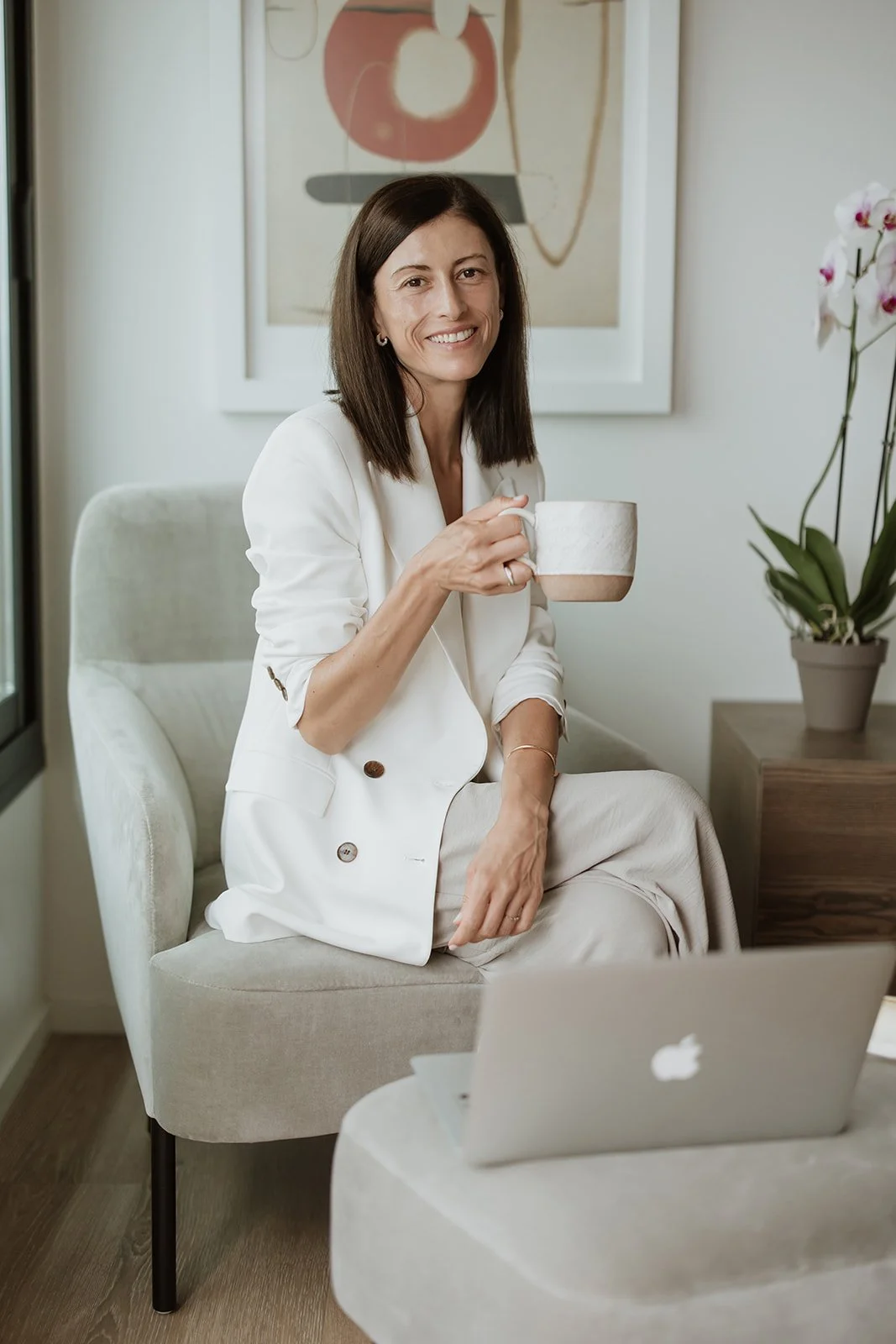
Paloma García-Forte
Founder of BONAM
Science · Strategy · Experience
If you have a brand or project in the health, hospitality, design, or lifestyle sectors, and you want what you communicate and what your audience experiences to tell the same story, let's talk.
