These days, everything wants to be called “wellness.” But how much of it is really that?
LUMEN No. 2 · NOVEMBER 15, 2026
There have never been so many hotels, brands, and wellness products. According to the Global Wellness Institute, the wellness economy was worth $6.8 trillion in 2024 and will approach $9.8 trillion in 2029. Almost everything is now called “wellness” because the word is appealing. The question is whether what’s being offered is consistent with what the word actually means.
The Global Wellness Institute itself defines wellness as the active pursuit of decisions and lifestyles that lead to holistic health, and notes that the environment influences it. But there is no standard that defines what makes a hotel, a product, or a service “wellness.” Each brand needs to define its own and make it part of the concept from the start, rather than adding it later in response to a trend.
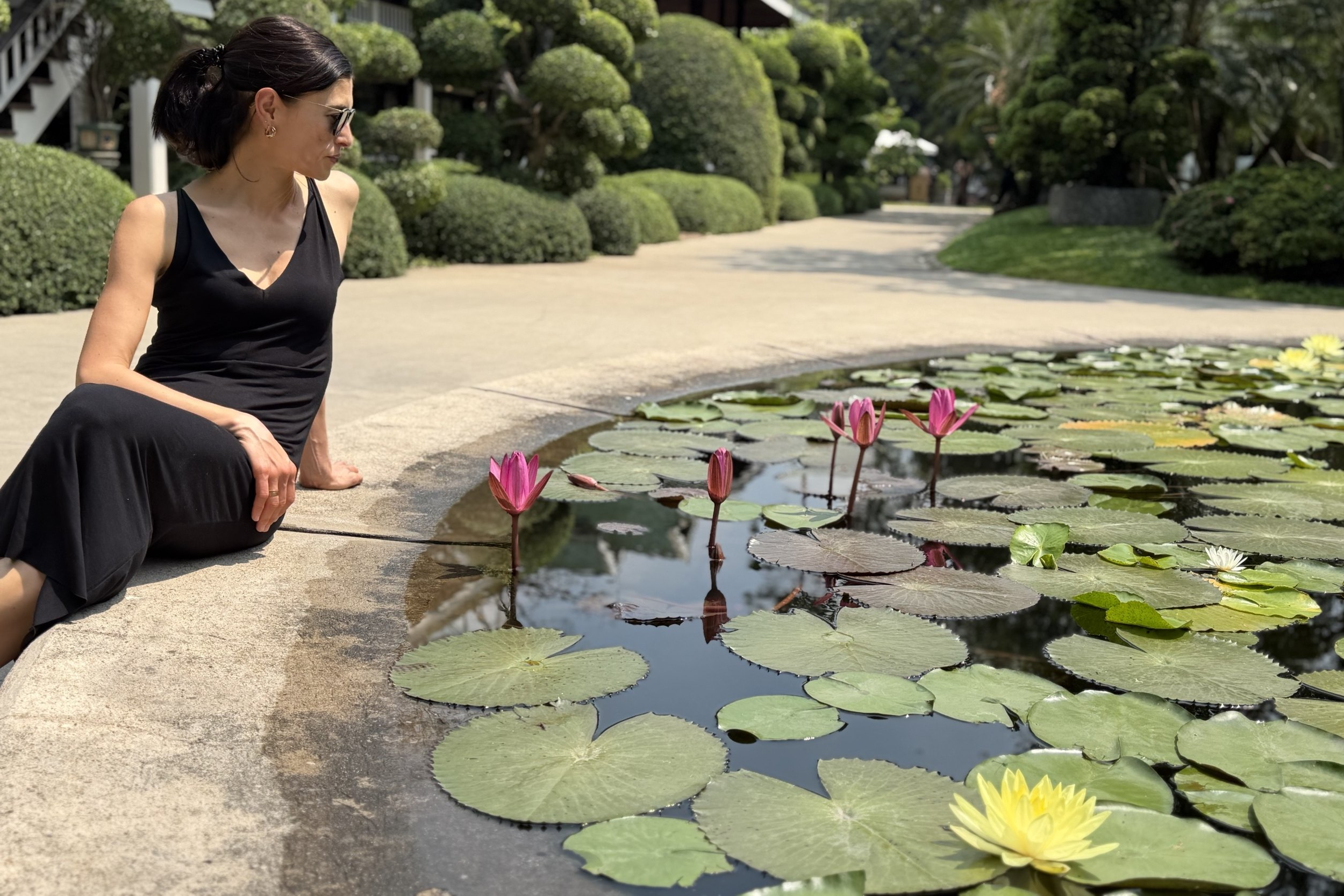
Every year I spend some time in Asia, and I usually choose wellness hotels. On my last trip, I visited various destinations and stayed at several of the industry’s most renowned properties. Hospitality is where this question becomes most apparent. A single stay brings together the culinary experience, the design of the space, the sensory atmosphere, and the service. Through the dual lens of integrative health and luxury marketing, I observed them as I would analyze a brand. I wanted to see if what is promised, what is offered, and what is actually experienced are all aligned.
I focused on five aspects:
• Dining options: The healthy breakfast options were set apart from the rest of the menu.
• Space design: The colors, textures, and furniture layout did not foster a sense of calm.
• Sensory environment: strong smells and constant noise in common areas.
• Guest journey: from the restaurant to the room, a seamless succession of spaces.
• Personalization and service: There was no initial needs assessment; wellness services were billed separately, and the equipment was not accompanied by any support.
The result was a five-star hotel with wellness services offered as an add-on, rather than as an integrated part of the experience.
I discovered the contrast years earlier, at a hotel operated by a leading brand with a different business model. The stay began with a personalized assessment upon arrival, and based on that, an individualized program was designed that integrated nutrition, treatments, physical activity, and rest. Wellness was included in the stay—with no reservations or additional charges—and each service was tailored to what had been discussed during that initial consultation. The effects were noticeable within a few days: better digestion, better sleep, and greater calm.
From the perspective of hospitality, that difference doesn’t depend on the facilities, but on the design. An integrated wellness hotel shares three characteristics. It begins with an assessment of each guest’s needs. It brings wellness to every moment of the stay, not just the spa. And it includes it in the overall experience, rather than selling it as an extra. In practice, this requires a common standard for design, food and beverage, the spa, front desk service, staff training, and communication. When this standard is met, wellness ceases to be just a promise and becomes something you can feel in both body and mind.
If this isn’t met, the guest notices it, even if they can’t quite put their finger on it. According to Medallia’s “State of Customer Experience 2026” report, 66% of customer experience professionals believe the experience they offer has improved over the past year, but only 17% of consumers agree. That gap comes at a hidden cost: the guest who doesn’t complain, but doesn’t return.
The good news is that this disconnect has identifiable causes and can therefore be corrected. From what I’ve observed, three causes recur. The first is a lack of personalization: the guest experience isn’t based on the guest’s needs. The second is a lack of integration: the spa, fitness center, and dining operations function as separate departments. The third is isolated decision-making, with each area making decisions on its own. The solution isn’t about adding services, but rather ensuring that everything stems from a single overarching vision. That way, every decision moves in the same direction. This is the analysis I propose to every brand: to review their guest experience moment by moment and see where the promise is fulfilled and where it falls short.
And this principle extends beyond the hospitality industry: any brand that uses the word “wellness”—whether it’s a product, a service, or a space—should be able to demonstrate it at every moment of the customer experience. When wellness is consistent, you can feel it.
A GESTURE FOR THIS WEEK
This week, every time you see the word “wellness” on a product, service, or space, pause for a moment: What exactly does it promise you? Does your experience confirm it?
TWO QUESTIONS TO WRAP UP
For you: Which brand has delivered an experience that lived up to its promises, and how did you notice it?
And for your brand or project: At what point in the experience you offer could people best feel what you promise?

Paloma García-Forte
Founder of Bonam · Science · Strategy · Experience
If you have a brand or project in the health, hospitality, design, or lifestyle sectors, and you want what you communicate and what your audience experiences to tell the same story, let's talk.
